Welcome to visit our factory !
Welcome to visit our factory !
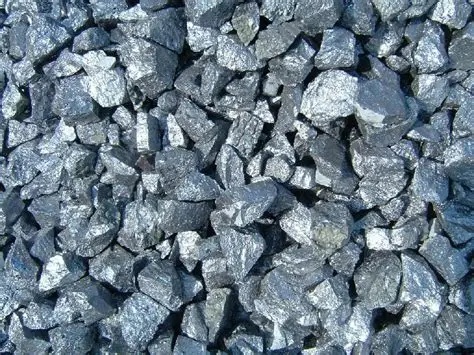
Iron alloys are essential raw materials in the steel, foundry, construction, automotive, and manufacturing industries. By adding specific alloying elements to iron or steel, manufacturers can improve strength, hardness, corrosion resistance, wear resistance, and other important properties.
For international buyers, choosing the right ferroalloy supplier is critical to ensuring stable production, consistent quality, and competitive costs.
Iron alloys are metallic materials made primarily from iron combined with other elements such as silicon, manganese, chromium, nickel, molybdenum, or vanadium.
In the steelmaking industry, ferroalloys are commonly used as alloying and deoxidizing agents. They help control the chemical composition of molten steel and improve the final properties of steel products.
Common ferroalloys include:
Ferroalloys are widely used in steel production and foundries. Different alloys provide different functions.
Ferro Silicon is commonly used as a deoxidizer and alloying material in steelmaking and cast iron production.
Ferro Manganese improves the strength, hardness, and wear resistance of steel while helping remove sulfur and oxygen during steel production.
Silicon Manganese combines the advantages of silicon and manganese and is widely used in carbon steel and alloy steel production.
Ferro Chrome is an important raw material for stainless steel and high-chromium alloy production, providing excellent corrosion and oxidation resistance.
When importing ferroalloys, buyers should consider more than just the price. Product quality, chemical composition, particle size, packaging, delivery time, and supply stability can directly affect production costs.
A reliable supplier should be able to provide:
For long-term cooperation, suppliers with stable production and export experience can help buyers reduce quality risks and improve supply-chain efficiency.
Ferroalloys play an important role in modern steelmaking and metal production. Choosing the appropriate iron alloy and a reliable international supplier can help manufacturers achieve better product performance and more stable production.
If you are looking for ferroalloy products for steelmaking, foundries, or industrial applications, working with an experienced supplier can help you select suitable grades, specifications, and packaging according to your requirements.